
Location:
North Side, Grand Cayman, Cayman Islands
Capacity:
2,666 acre-feet per year
Type:
Seawater Desalination
Technology:
Reverse Osmosis
Contract Type:
DBOOT
About the project
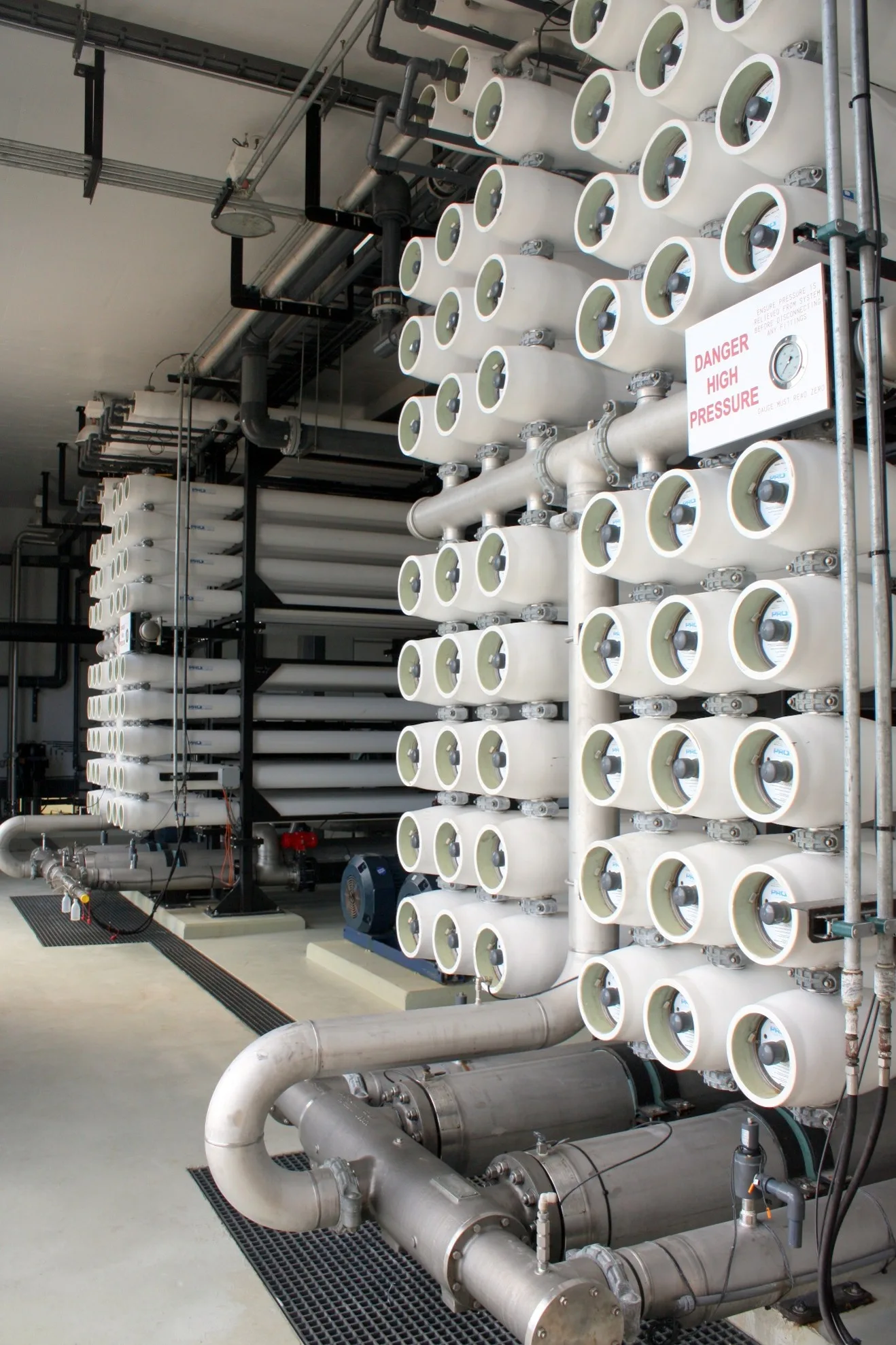
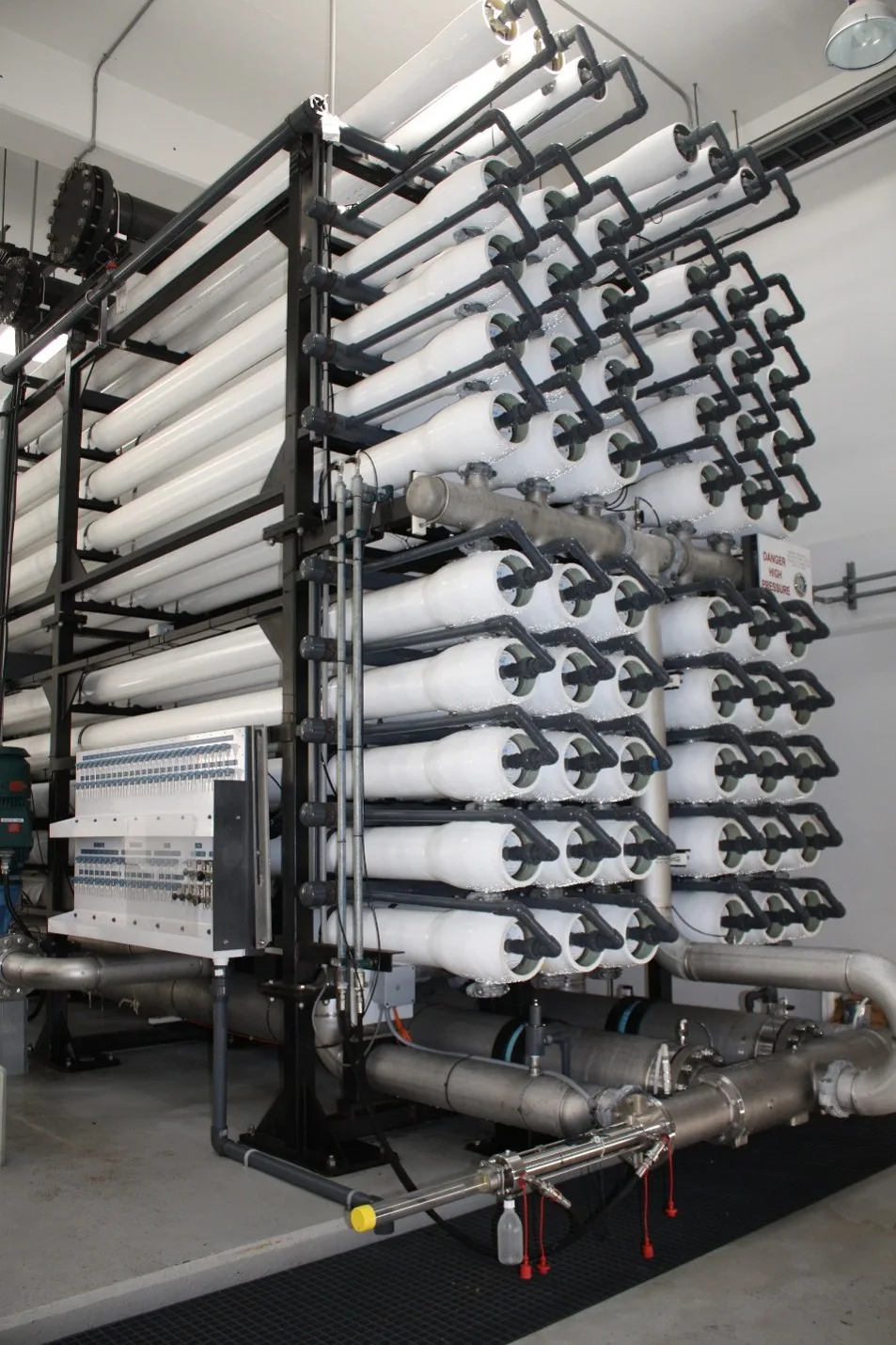
This plant was the fourth facility, designed, built and operated by our company for the Water Authority-Cayman. The facility provides drinking water to the growing eastern districts of Grand Cayman. This plant has a production capacity of 2.4 million US gallons per day and produces finished water with a TDS of less than 200 ppm by passing some of the desalted seawater through a ‘second pass’ brackish water reverse osmosis system.
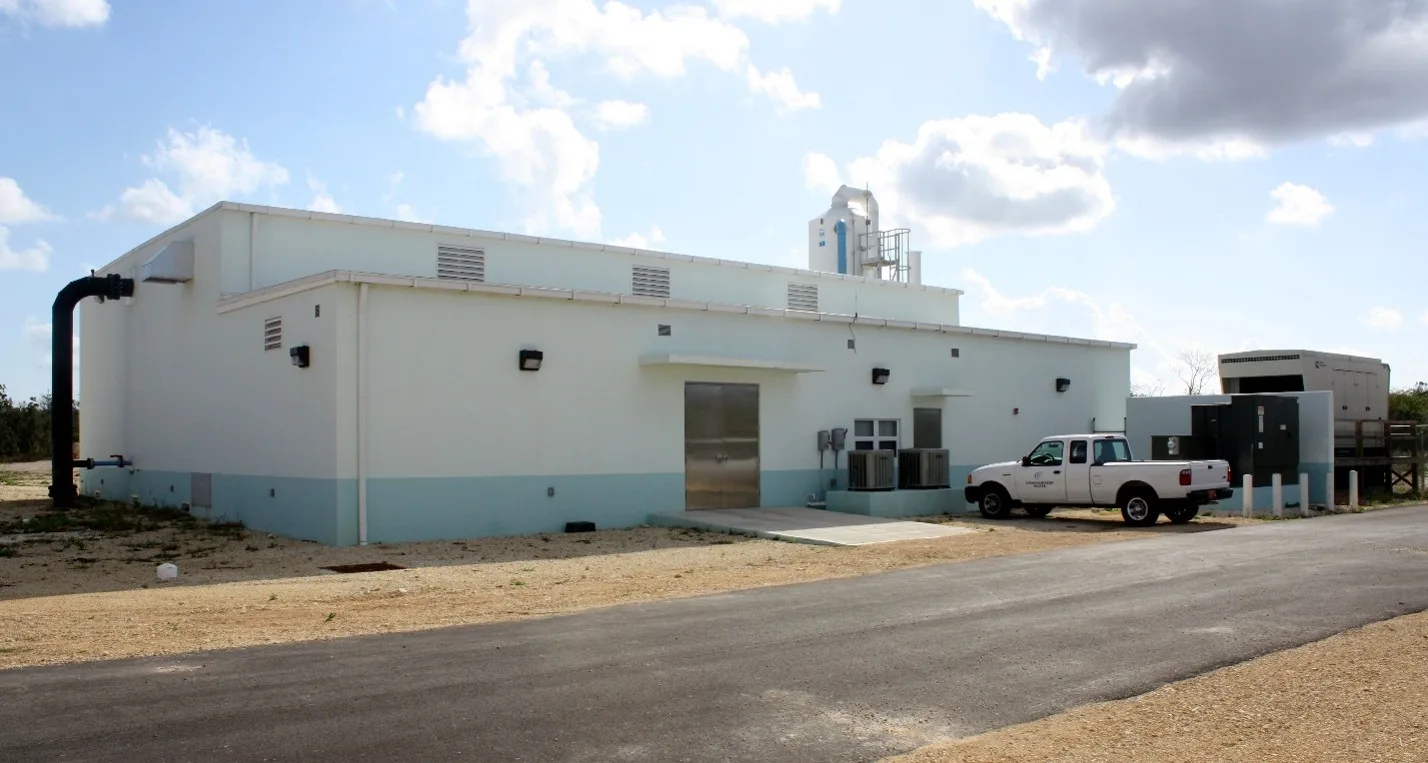
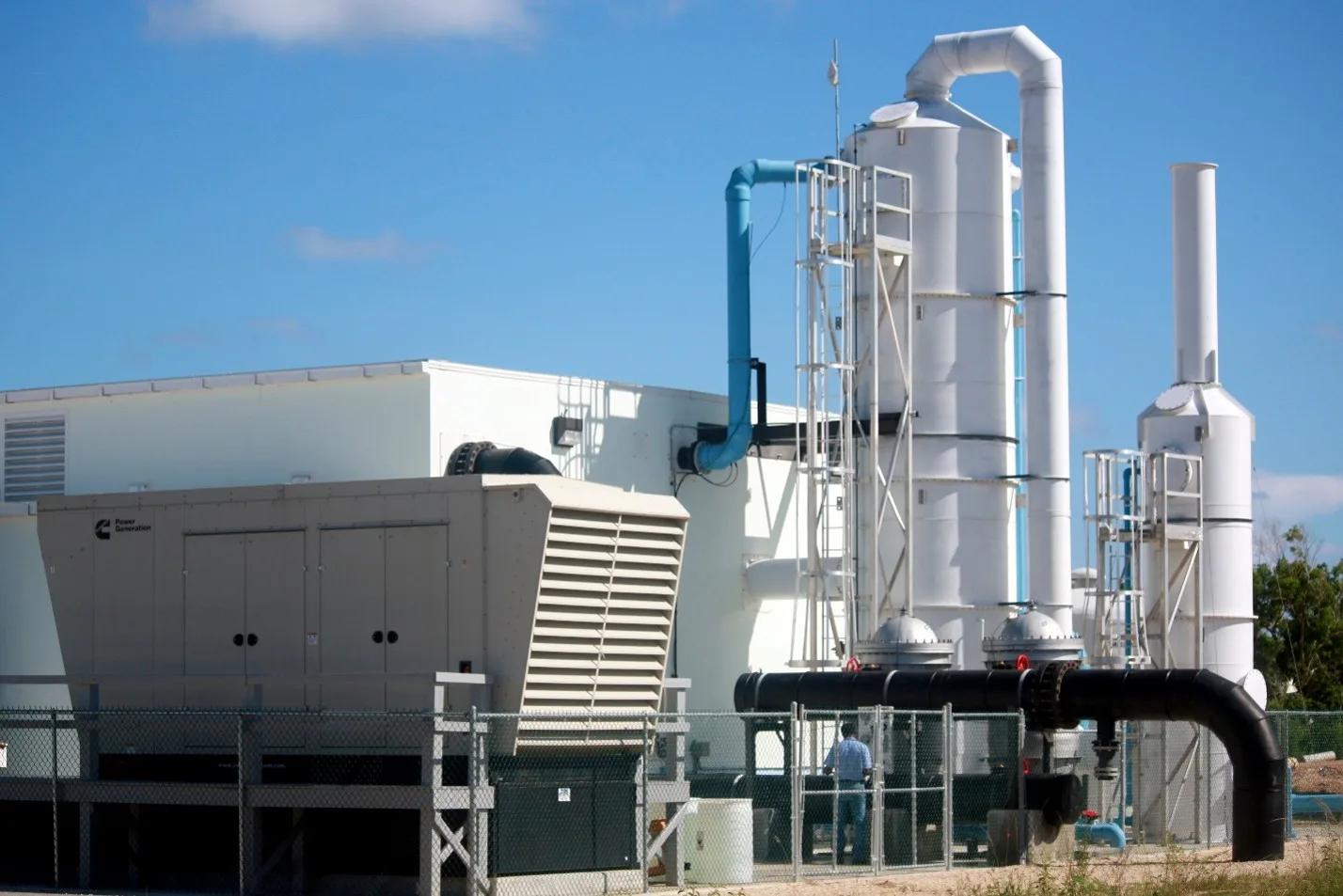
Scope of work in the contract includes design, procurement, construction and operation of seawater abstraction wells, concentrate disposal well, feedwater pretreatment system, two electrically driven seawater reverse osmosis plants, isobaric energy recovery system, post-treatment and product delivery system, Category 4 hurricane resistant concrete building, and ancillary equipment. A standby diesel generator is installed to support up to 50% of the plant’s operational capacity in the event of a power outage, such as during a major storm.
Because the cost of electricity on Grand Cayman is typically 4 to 5 times greater than in the United States, a critical design and operation factor for this plant is/was the overall energy efficiency of the facility. The plant initially utilized the Calder Dual Work Exchanger Energy Recovery (DWEERTM) system to recover energy from the high-pressure brine stream, but this system was replaced by CWCO with ERI isobaric work exchangers in 2019.
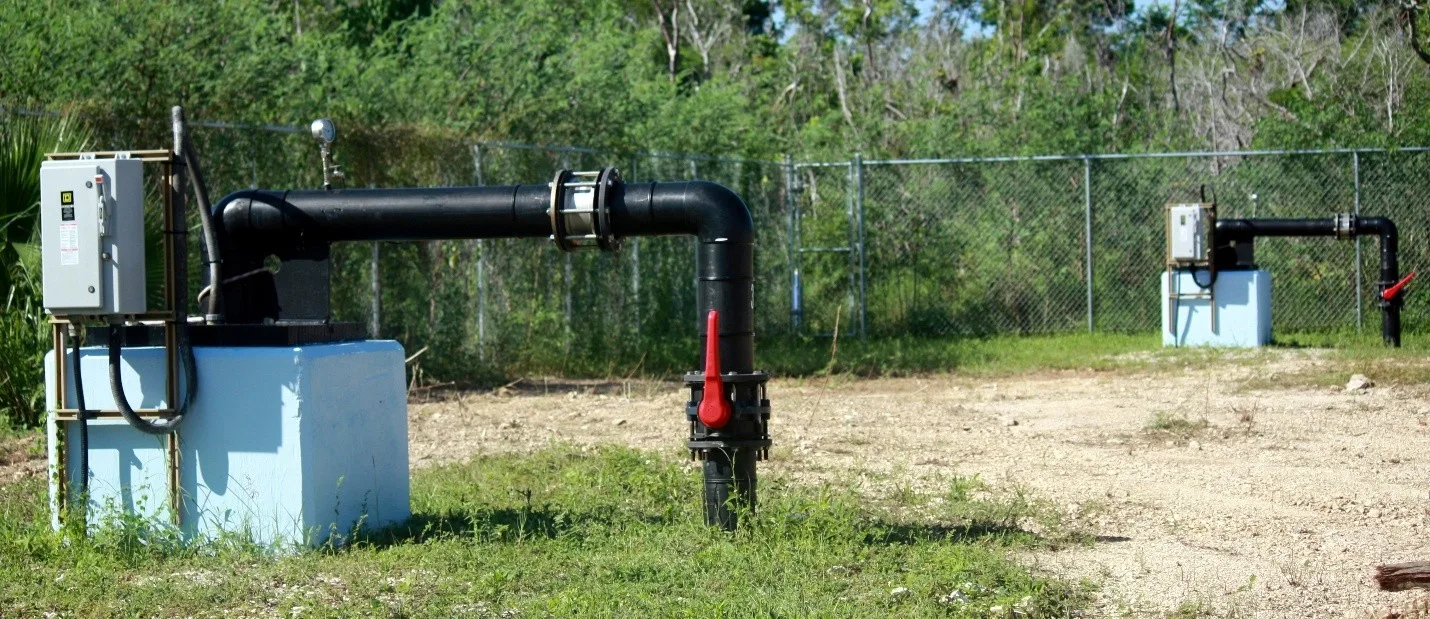
Raw seawater for the plant is obtained from seawater wells located on site, which avoids the need for expensive pretreatment equipment and chemicals associated with open sea intakes. However, the raw seawater does contain hydrogen sulfide, which is removed from the final product using a degasifying tower and air scrubber system.
An advanced computer control system is used to operate and monitor the plant 24 hours per day, 7 days per week. This results in lower employee costs as the plant is only manned during normal working hours while remaining operational.