Location:
Nassau, The Bahamas
Capacity:
12 million US gallons per day
Type:
Seawater Desalination
Technology:
Reverse Osmosis
Contract Type:
DBOO
About the project
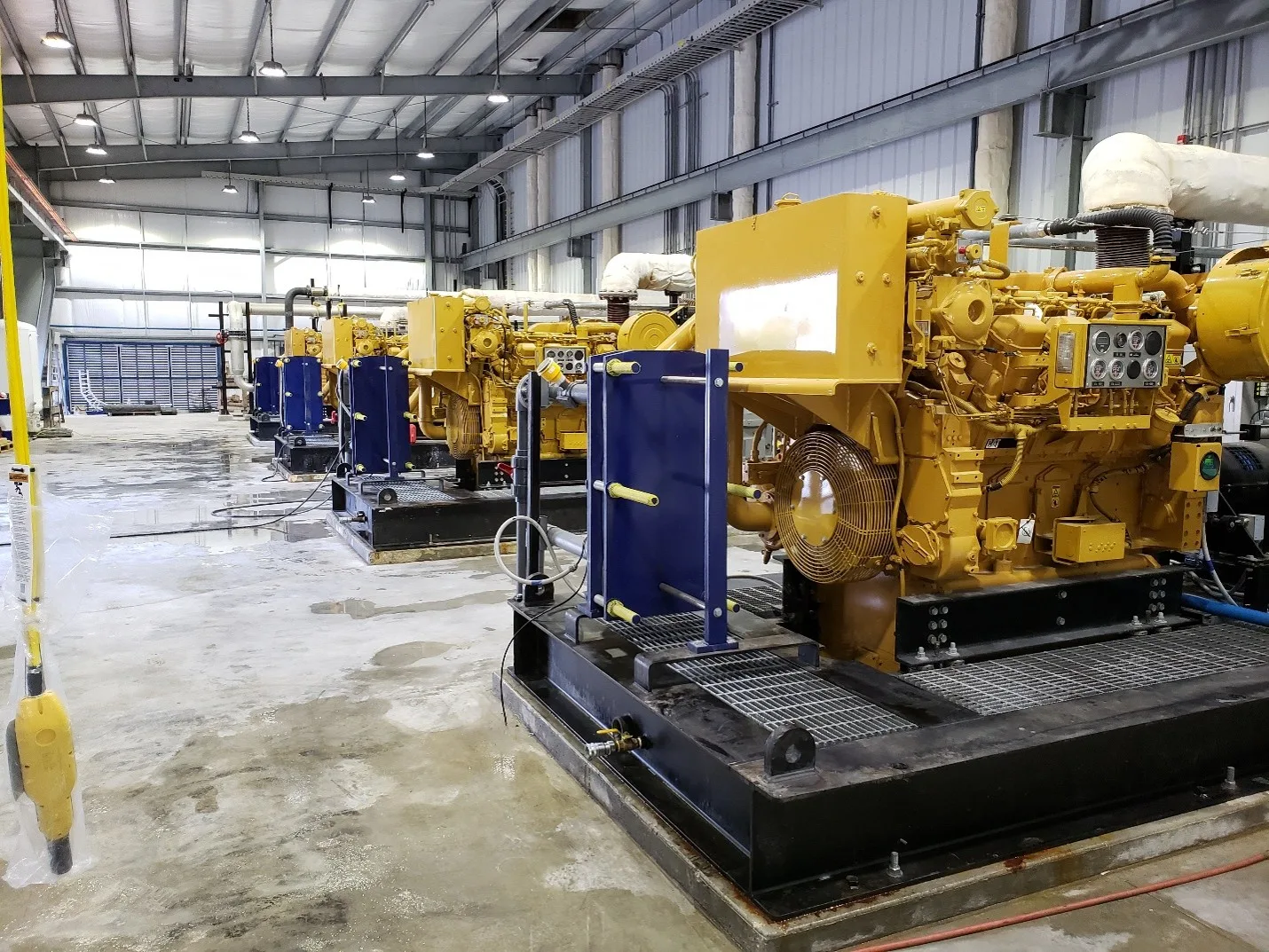
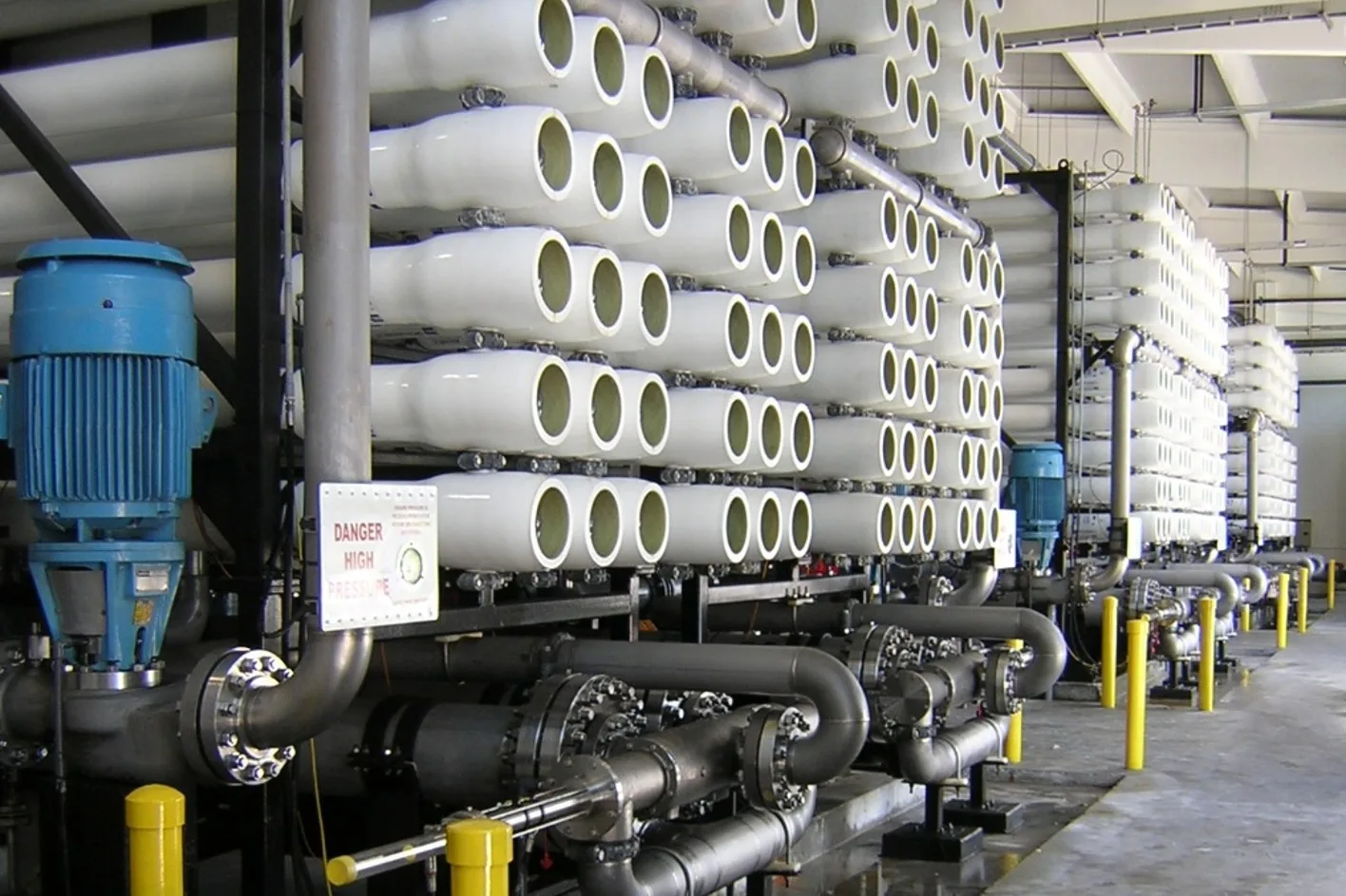
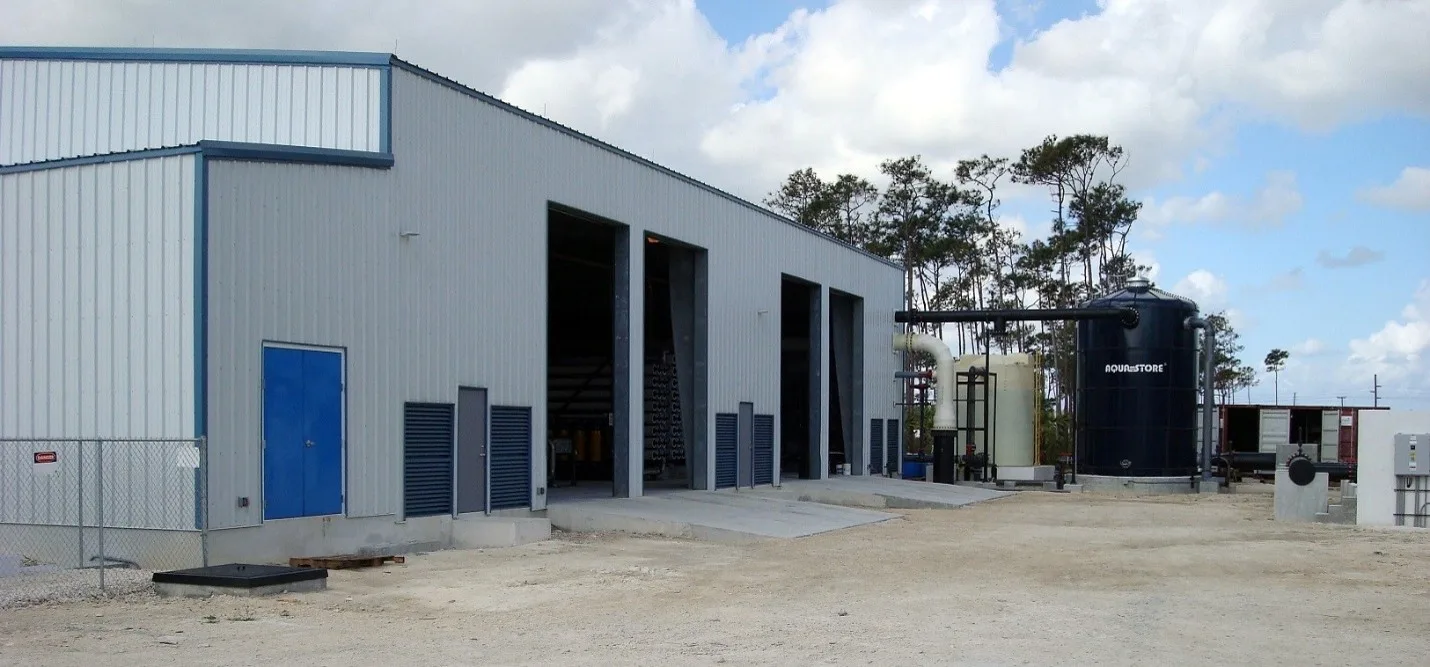
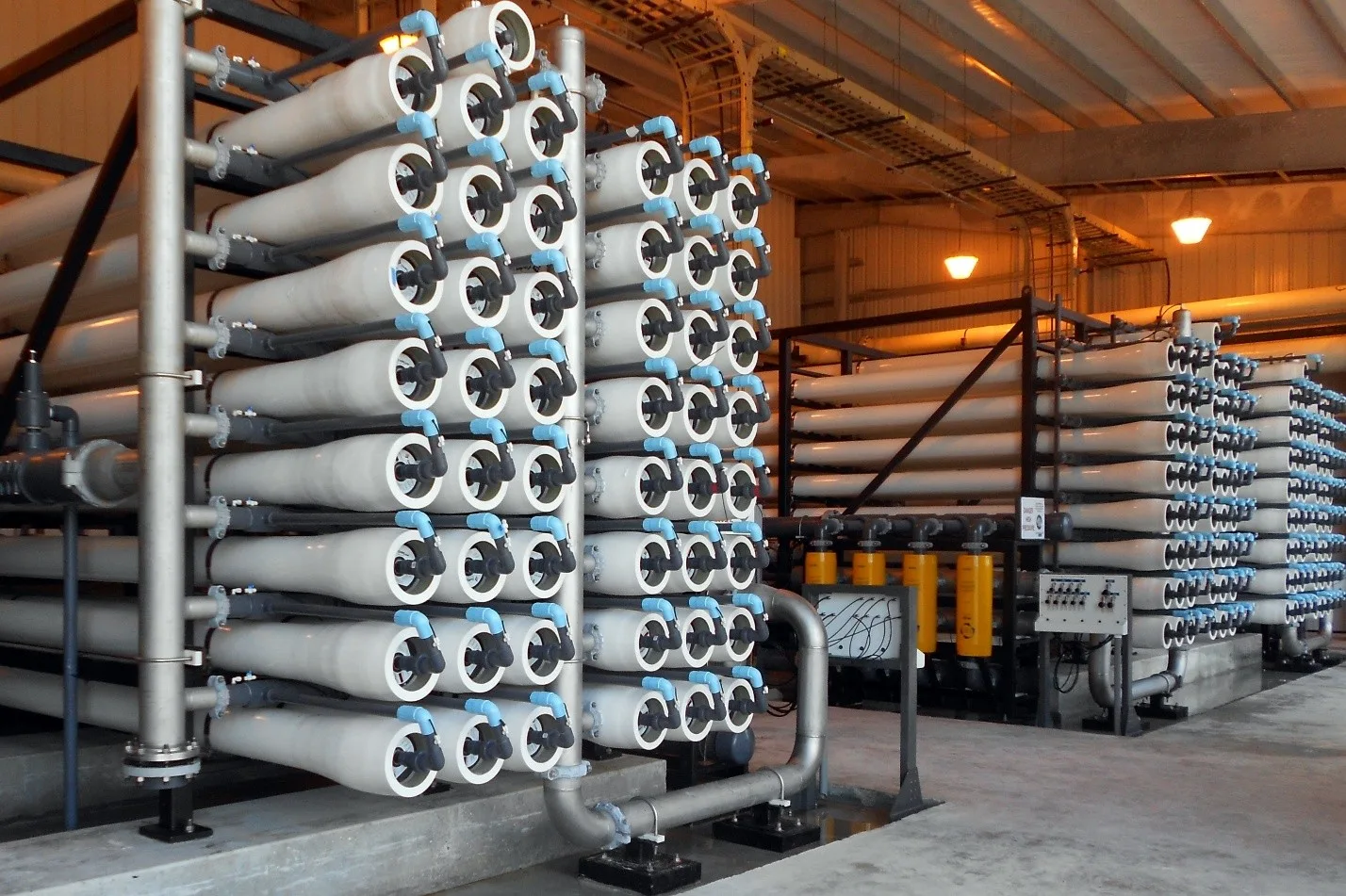
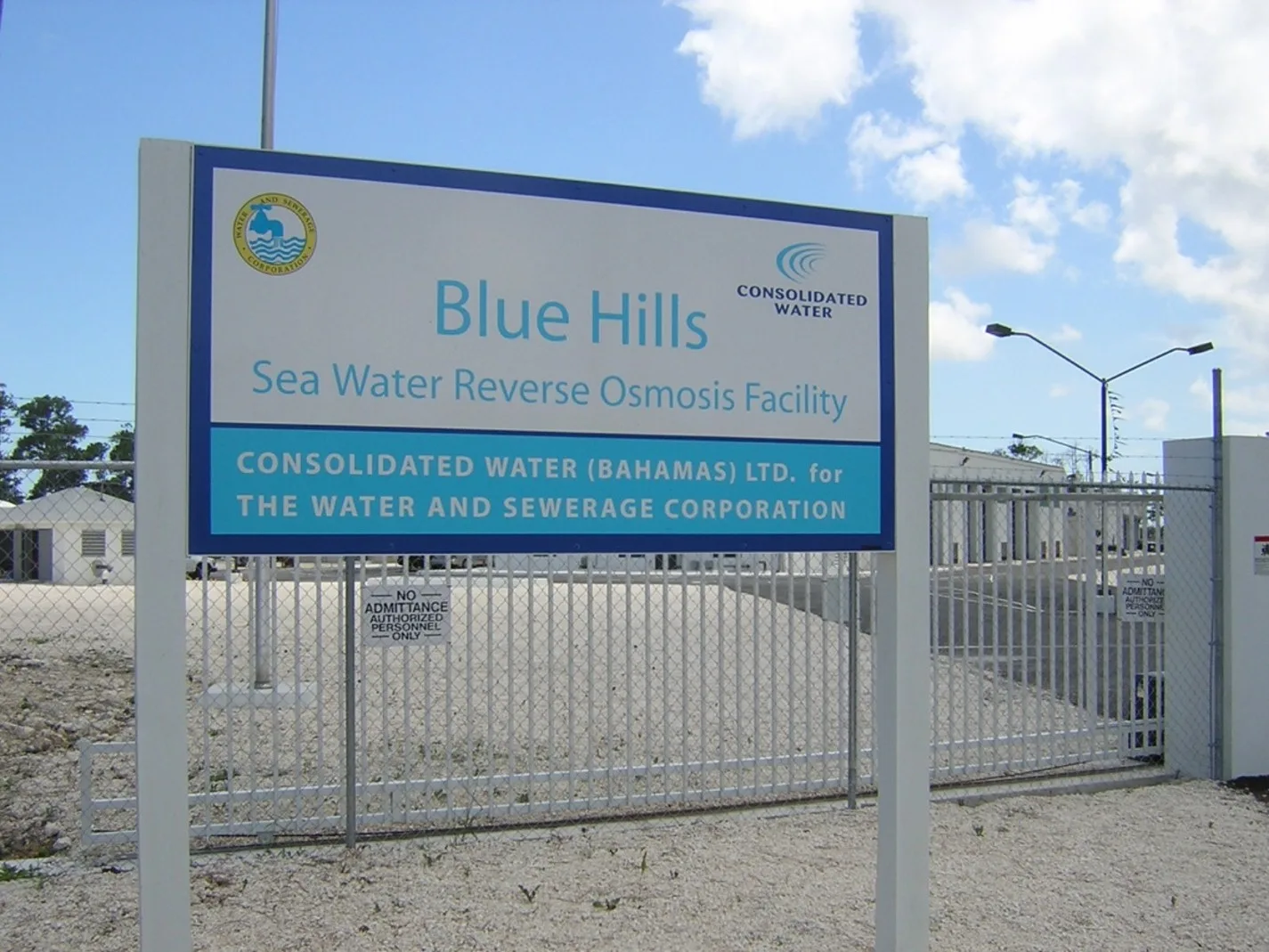
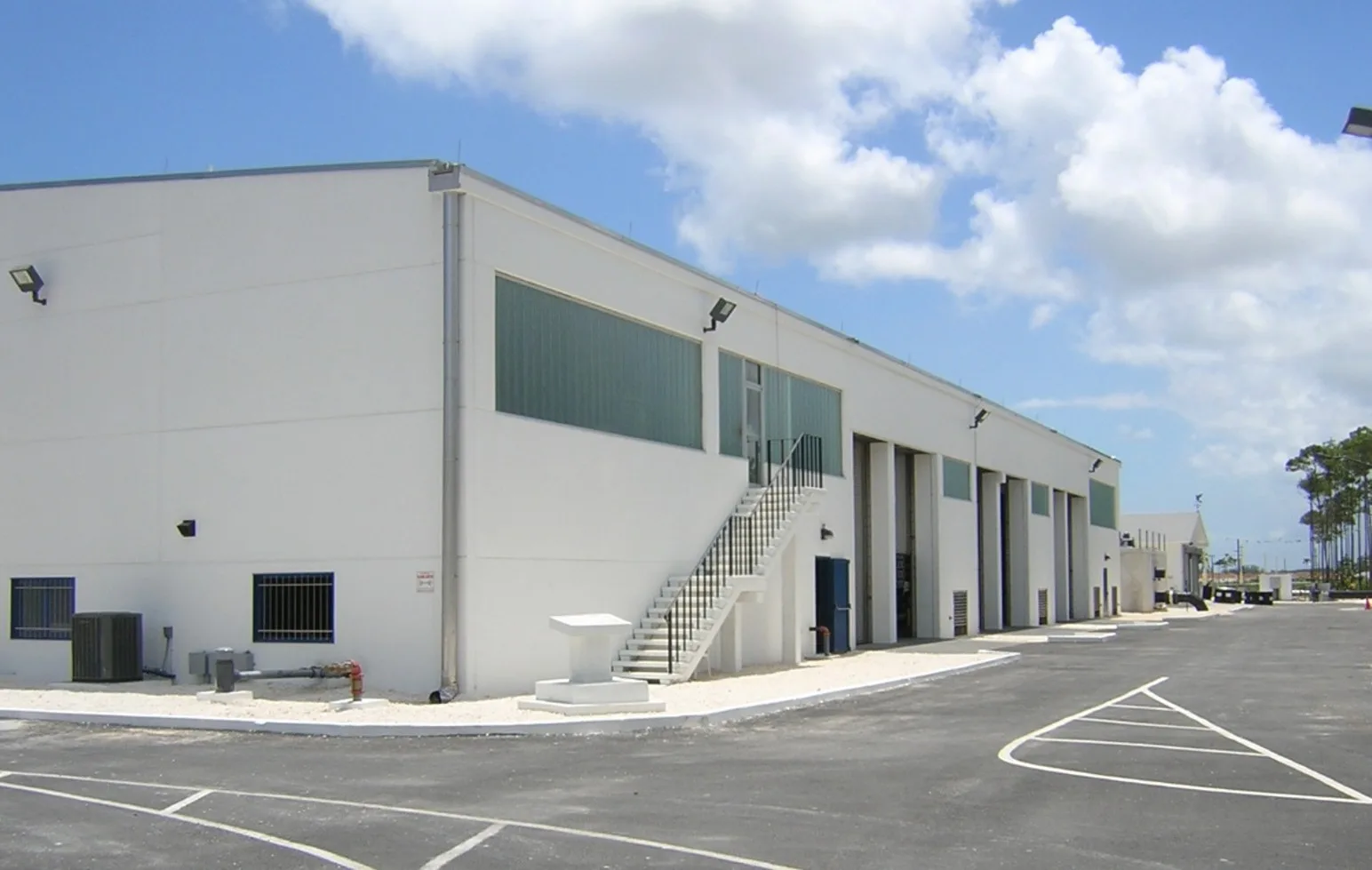
This facility is currently the largest seawater reverse osmosis plant designed, built and operating in the Bahamas and the largest diesel-operated sea water reverse osmosis desalination plant in the world.
Completed in 2006 on a fast-tracked building schedule, one half of the plant’s production capacity of 7.2 million US gallons of drinking water per day was online a short 53 weeks after contract award, and full production capacity was online a mere 12 weeks later. Water produced by the facility is sold to the Water and Sewerage Corporation of the Bahamas for the public water supply under a Design-Build-Own-Operate (DBOO) agreement. In addition to installing new water production capacity, Consolidated Water provided world-class technical expertise and equipment to reduce the customer’s non-revenue water (NRW) losses by 1.2 million US gallons per day. In January 2012, a 4.8 million US gallon per day expansion was completed, bringing the total potable water produced onsite to 12 million US gallons per day.
Prior to the construction of this facility and the Windsor facility, all the water used in the public drinking water system came either from groundwater wells located on New Providence or groundwater barged to the island from Andros Island. As water demand in New Providence grew, these groundwater sources were over-taxed, degrading the overall quality of the water entering the public system. The commissioning of this facility, and the work carried out to reduce pipeline losses, have gone a long way to relieve the pressure on the groundwater resources and improve the overall quality of the drinking water supplied to the people of New Providence, Bahamas.
Feedwater for this facility is extracted from twelve shallow seawater wells drilled in karstic limestone and dolomite. Concentrate (brine) from the desalination process is injected into four deeper disposal wells in the same formation. Horizonal and vertical separation of the abstraction and disposal zones, the high permeability of the limestone and the heavier relative weight of the concentrate ensure no mixing of concentrate with feedwater.
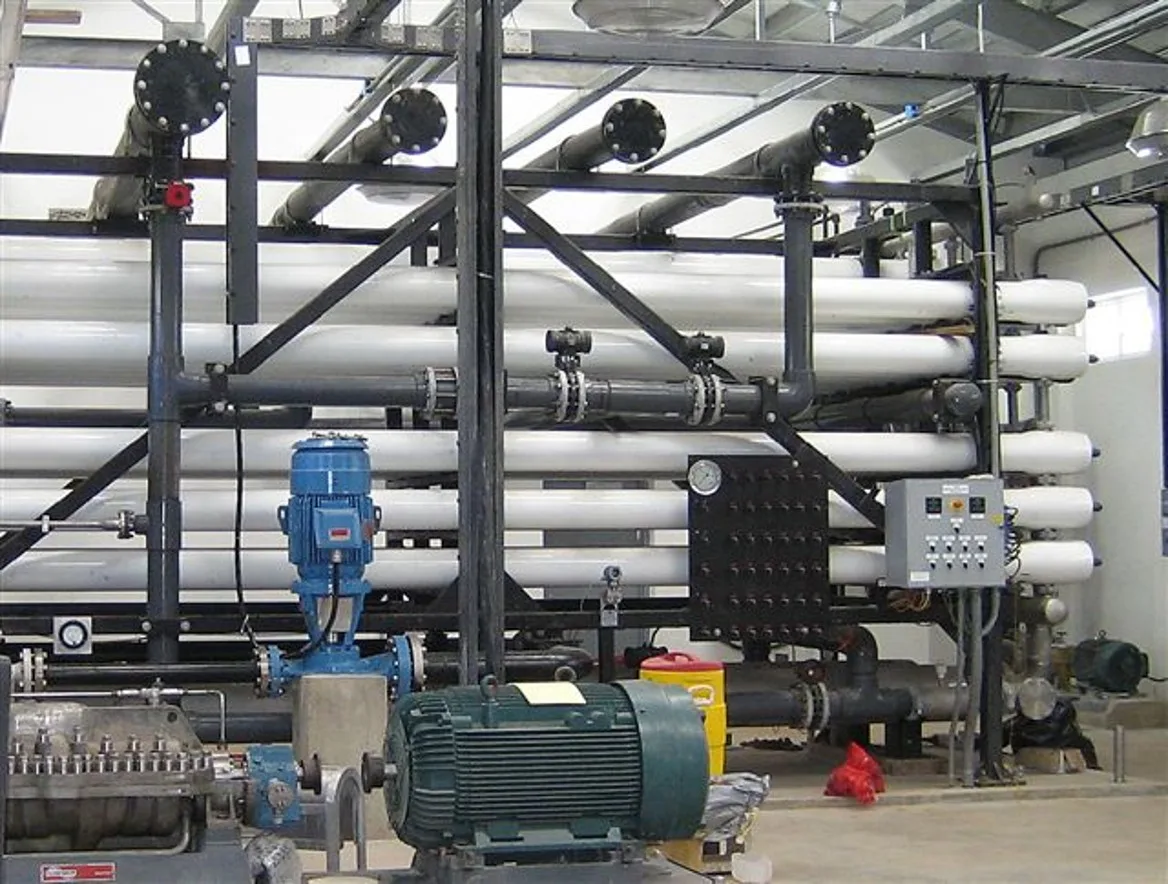
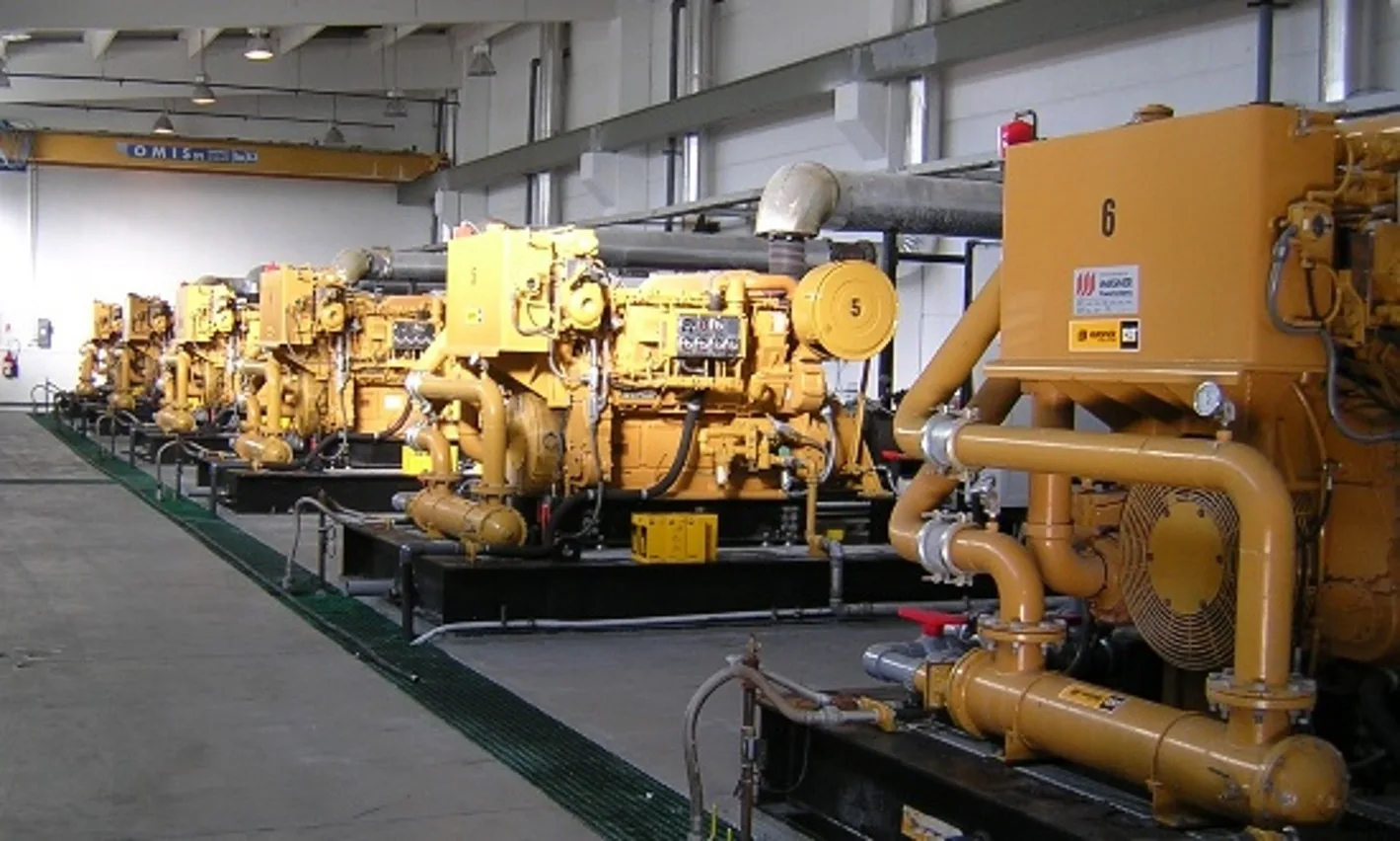
The plant utilizes energy recovery devices to recover energy from the high-pressure brine stream, and diesel engines to drive the main high-pressure seawater pumps. The total amount of energy required to operate the facility, including all ancillary equipment, is guaranteed to our customer. The plant initially utilized the Calder Dual Work Exchanger Energy Recovery (DWEERTM) system to recover energy from the high-pressure brine stream, but this system was replaced by CWCO with ERI isobaric work exchangers in 2015.
This plant is extremely reliable because of its unique design and our five decades of operational and maintenance experience. Due to growing demand for drinking water from our client, we have consistently operated the plant at more than 92% of its rated design capacity over the past five years. Furthermore, we have never failed to meet contracted minimum volume deliveries of water.
The plant includes a stand-by diesel driven generator, which along with the diesel driven high pressure pumps, allows the plant to be fully functional even when utility power is unavailable, as may occur during a hurricane. The facility also includes a fully automated post-treatment stabilization and chlorination system for the final product water, as well as a 750,000 US gallon elevated storage reservoir.